Gum disease is an infection of the tissues that surround and support your teeth. It is a major cause of tooth loss in adults. Because gum disease is usually painless, you may not know you have it. Also referred to as periodontal disease, gum disease is caused by plaque, the sticky film of bacteria that is constantly forming on our teeth.

Sometimes, periodontal surgery may be needed to treat certain gum diseases and conditions, such as gingivitis or periodontitis. This type of surgery is commonly known as gum surgery.
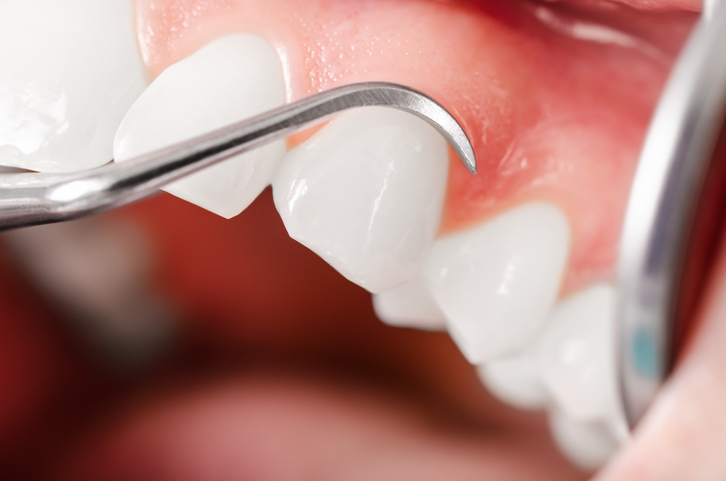
Types of surgical procedures
Flap surgery


Flap surgery is especially helpful for people who have tartar deposits in deep pockets. The procedure involves lifting the gums off of the teeth to remove tartar buildup. After the surgeon has cleaned the area and removed the tartar, they will stitch the gums into place to fit around the teeth. Sometimes, the bone may require reshaping during this procedure.

Bone grafting


When the bone that surrounds the root of the tooth is damaged or destroyed, a person may need a bone graft. This procedure involves replacing the damaged bone with new bone. This bone may be the person's bone, a manufactured bone, or donated bone. The goal of bone grafting is to hold the tooth in place and help it to regrow

Guided tissue regeneration


During this procedure, a dental surgeon will place a small piece of mesh-like material between a person's bone and gum tissue. The material prevents the gum from growing into space where bone should be, allowing the bone and connective tissue to regrow.